
By Julia Harmsworth
Seeds of Diversity is working to preserve endangered plant varieties, one seed at a time.
Founded in 1984 by a group of market farmers, the non-profit organization relies on its approximately 2,000 members across Canada who save seeds from their gardens — flowers, herbs, grains, fruits, and vegetables — to share them with other gardeners.
Home gardeners sign up, grow an interesting variety of plants, and offer the seeds in a Seed Exchange. Other members request the seeds and receive them in the mail. Membership is free.
“The purpose of it is to grow the varieties that are difficult to obtain and have more people grow them,” said Bob Wildfong, executive director.
Seeds of Diversity maintains an index of all available seeds in Canada to discern which seeds are commonly available and which are not. If a particular variety is only sold by one or two companies, it is a good candidate for saving.
The organization can also tell which varieties are in jeopardy by looking through its Seed Exchange — if only one amateur gardener is growing a particular seed, it is worth paying special attention to.
Seeds of Diversity also has a Seed Library: a giant freezer of seeds stored in boxes. If only one or two companies or individuals are sharing a certain seed, the organization will collect it for “backup.” Sometimes, seed companies will pick up these varieties and start selling them again.
The library contains around 3,000 varieties of seeds — predominately vegetables, like tomatoes, beans, garlic, peppers, and lettuce. About 20 per cent of the collection are seeds from various types of flowers and herbs. About 75 per cent is only available from one place other than the library, making those varieties particularly vulnerable.
“It just speaks to how fragile the safety net is for all these seeds. The more people who can save seeds — it’s making a huge difference,” said Wildfong.
If a variety is completely dropped from circulation, the organization will take the seed out of the freezer and assign a member to grow and share it. Seeds of Diversity frequently runs germination tests on the stored seeds to ensure they remain viable.
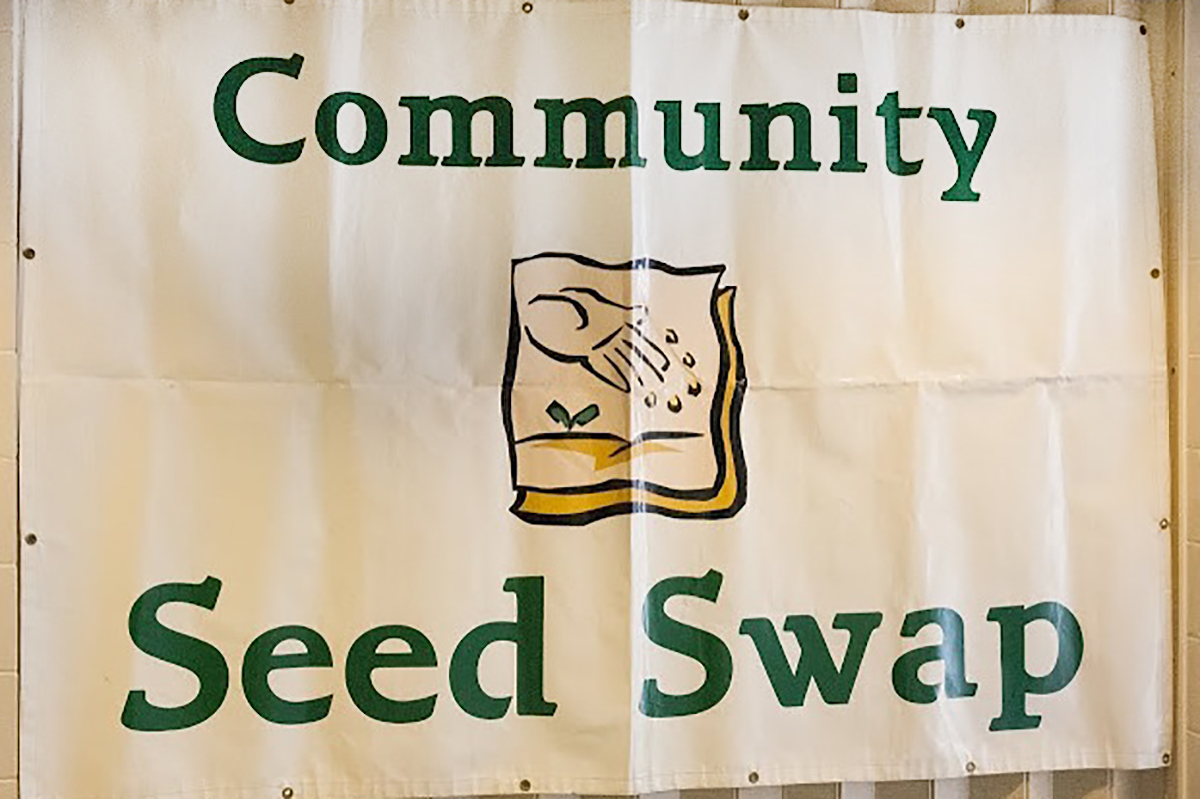
Seeds of Diversity supports Seedy Saturday events in communities across Canada — in-person events for people to swap seeds, attend workshops and meet vendors. Last year, local community groups organized around 150 events.
Looking forward, the organization is ramping up its youth programming to educate teenagers about where food comes from and to get them interested in a future career in the food system. Wildfong estimates the average Canadian farmer is 55 years old, and ponders, once they retire, “Who is going to grow the food?”
“Get some seeds, learn how to save them, and then pass them on to somebody else,” said Wildfong. “Then that seed will not be as rare, and if lots of people did that, then lots of seeds would not be so rare.”
